
The Selective Outrage of Immigration Enforcement: Exposing the Hypocrisy Around Tom Homan
Exposing the Hypocrisy Around Tom Homan – The Selective Outrage of Immigration Enforcement
Few figures illustrate the double standard in America’s immigration debate more clearly than Tom Homan. Depending on who controls the White House, Homan is either praised as a tough, effective lawman or condemned as the embodiment of cruelty. The facts of his career haven’t changed nearly as much as the political framing around them—and that’s where the hypocrisy lives.
A Record Enforcer Under Obama—Praised, Not Protested
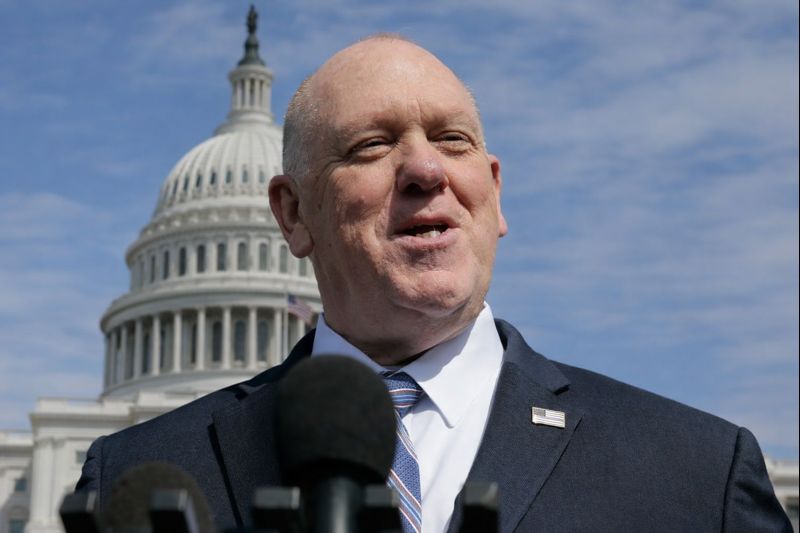
Homan’s rise came during the Obama years, not the Trump era. In 2013, Barack Obama appointed him Executive Associate Director of Enforcement and Removal Operations at U.S. Immigration and Customs Enforcement. In plain terms, Homan was the top official responsible for finding, detaining, and deporting people in the country illegally.
Those years produced record deportation numbers, peaking at roughly 432,000 removals in 2013. Civil libertarians today often forget—or choose to forget—that this era earned Obama the nickname “Deporter-in-Chief” among immigrant advocacy groups. Yet there were no mass protests aimed at Homan personally, no viral headlines branding him a villain. In fact, in 2015, Obama awarded Homan the Presidential Rank Award for Distinguished Service, citing “sustained extraordinary results.”
That recognition matters. It signals bipartisan acknowledgment that Homan was doing exactly what Congress had authorized and what the executive branch demanded at the time: enforce immigration law.
Family Separation: The Policy That Wasn’t New
One of the loudest criticisms leveled at Homan in later years is his association with family separation. What’s often omitted is that he reportedly raised the concept as a deterrent during the Obama administration, only to see it rejected by then–Homeland Security Secretary Jeh Johnson. The idea itself wasn’t considered radical enough to end careers or spark outrage—it was simply shelved.
When a similar approach was implemented under Trump as part of a “zero tolerance” policy, the moral framing flipped overnight. The same enforcement logic was suddenly described as barbaric. The personnel hadn’t changed. The law hadn’t changed. The politics had.
From Career Official to Political Lightning Rod
Under the Trump administration, Homan became a public face of immigration enforcement, and with that visibility came intensified criticism. Advocacy groups and former colleagues argued that his mission expanded from prioritizing criminal aliens to targeting anyone unlawfully present. Supporters countered that this was not extremism but a straightforward reading of federal law.
Former Obama adviser Cecilia Muñoz later said Homan had become “unrecognizable,” suggesting a transformation from pragmatic enforcer to ideological hardliner. But that critique raises a central question: was Homan truly different—or was he simply enforcing the same statutes without the protective political cover he once enjoyed?
Allegations, Controversies, and the Fog of Partisanship
In recent years, a swirl of allegations and controversies has surrounded Homan, from ethics complaints to claims about aggressive enforcement operations. Some of these accusations remain disputed, under investigation, or filtered through partisan media lenses. What’s clear is that such scrutiny intensifies when enforcement aligns with one political camp and softens when it aligns with another.
Critics have also pointed to Homan’s disclosed consulting ties to private detention firms such as GEO Group, arguing that profit motives distort policy. Supporters respond that disclosure is not corruption and that detention contracts expanded under multiple administrations, not just one.
The Prison Analogy No One Wants to Discuss
Here’s the uncomfortable comparison many commentators avoid: when a U.S. citizen commits a crime, the justice system routinely separates parents from children. No one argues that prisons should release offenders because they have families. The punishment falls on the adult who broke the law, not on the legal fiction that family unity overrides criminal accountability.
Illegal entry into the United States is a crime under federal law. If that individual is also a convicted felon—either abroad or domestically—the enforcement rationale becomes even clearer. The emotional weight of family separation is real, but the selective outrage is not. It appears only when enforcement is politically inconvenient.
Hypocrisy as Policy
The real story isn’t whether immigration enforcement is harsh. It always has been. The story is how quickly moral standards shift depending on who is in power. Tom Homan was celebrated, decorated, and trusted when enforcing the law under a Democratic president. The same man, applying similar principles, is demonized under a Republican one.
That inconsistency doesn’t advance humane reform or honest debate. It corrodes public trust. If immigration laws are unjust, Congress should change them. Until then, condemning enforcers for doing the job they were once praised for doing is not principled—it’s political theater.
#ImmigrationDebate #BorderEnforcement #PoliticalHypocrisy #ICE #RuleOfLaw
Allegations Swirl Around Rep Ilhan Omar Amid Minnesota Fraud Probes and Net Worth Questions
Comer Opens Contempt Proceedings Against the Clintons Over Epstein Subpoenas