
Polar Vortex Disruption Raises Risk of Another Cold Blast for Oklahoma in Mid-February
Polar Vortex Disruption Raises Risk of Another Cold Blast for Oklahoma
Polar Vortex Disruption Raises Risk of Another Cold Blast for Oklahoma in Mid-February
Oklahoma residents have already felt winter’s bite in recent weeks, and meteorologists say the pattern responsible may not be finished yet. As February approaches, weather signals suggest the potential for another round of significant cold tied to disruptions in the polar vortex.
Despite the dramatic name, the polar vortex itself is not new. What is notable this winter is how atmospheric changes high above the Arctic are allowing cold air to escape farther south — sometimes straight into the Central Plains.
What’s Happening in the Atmosphere
Meteorologists are tracking a sudden stratospheric warming event, a phenomenon where temperatures in the upper atmosphere over the Arctic rapidly increase. When this occurs, it weakens and destabilizes the polar vortex — the circulation that usually keeps the coldest Arctic air locked near the North Pole.
Once weakened, the polar vortex can stretch or shift, allowing bursts of Arctic air to spill southward into the United States. This does not happen all at once, nor does it affect every region equally, but it significantly increases the odds of cold outbreaks in the weeks that follow.
Why Oklahoma Is in the Crosshairs
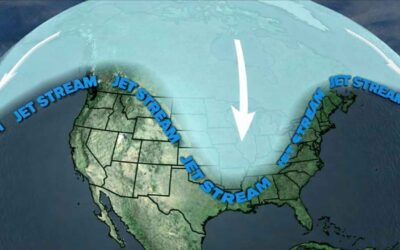
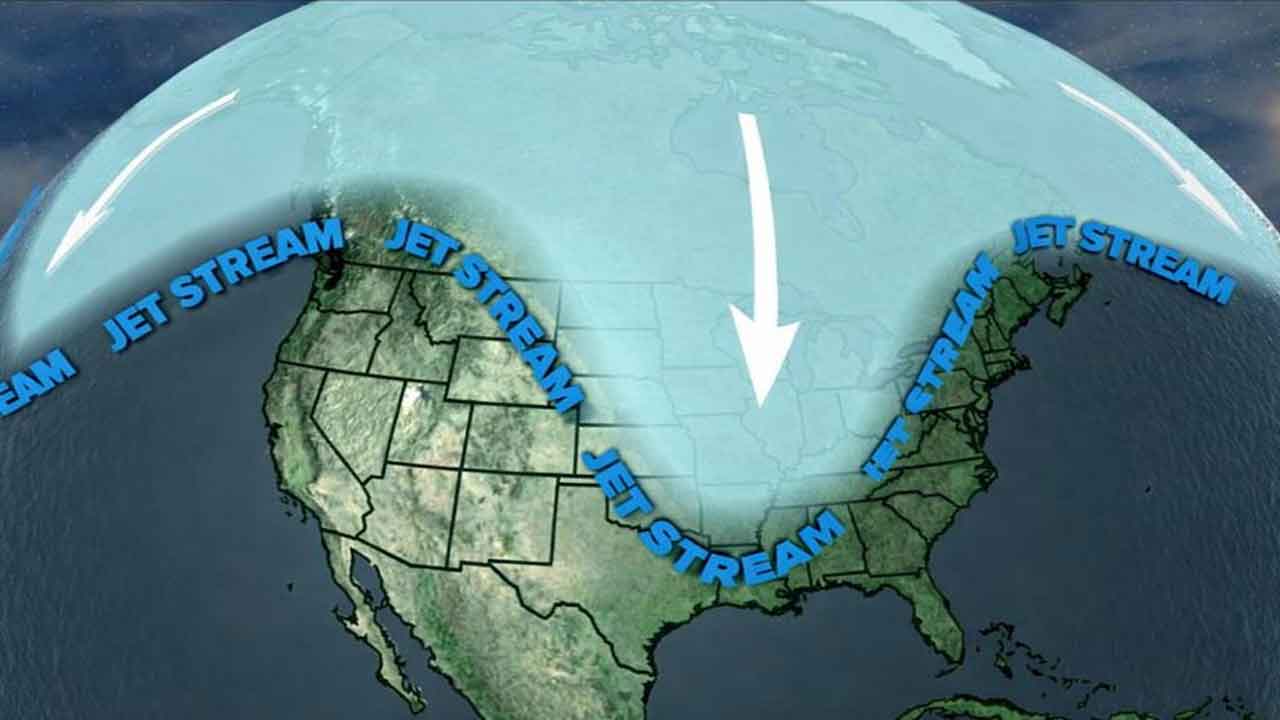
In addition to the stratospheric changes, forecasters are watching signs of a negative phase of the North Atlantic Oscillation (NAO). This pattern often causes the jet stream to dip farther south, opening the door for cold Arctic air to move into the central and eastern United States.
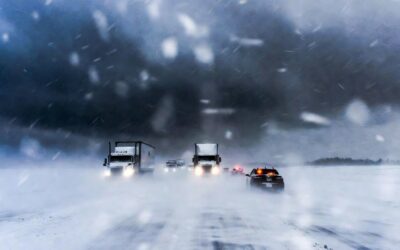
For Oklahoma, this combination can be particularly impactful. When the jet stream bends southward, Arctic air masses can surge directly into the state, bringing sharp temperature drops, strong north winds, and prolonged cold spells rather than brief cold snaps.
This setup has already occurred earlier this winter, and long-range guidance suggests the pattern may reload around mid-February, increasing the risk of another notable cold push into the region.
What Oklahomans Can Expect
While exact temperatures and timing will continue to evolve, the broader pattern favors:
-
Below-normal temperatures across much of Oklahoma
-
Overnight lows potentially falling into the teens or single digits
-
Dangerous wind chills during peak cold periods
-
Increased demand for heating, including propane and electric usage
Snow or ice is possible, but cold air alone does not guarantee winter precipitation. Any winter weather would depend on whether sufficient moisture overlaps with the cold air as it moves through the region.
Local Impacts Matter
Oklahoma is especially sensitive to extended cold periods due to its infrastructure and geography. Rapid temperature swings can strain power systems, rural areas are often more exposed to strong winds, and many households rely on propane or electric heat. Livestock, outdoor pets, and vulnerable populations are also at greater risk during prolonged cold spells.
Even a three- to five-day stretch of extreme cold can have significant local consequences.
The Bottom Line
Meteorologists emphasize that this is not a guaranteed forecast of severe weather, but rather a higher-risk window based on well-established atmospheric signals.
-
The polar vortex has been weakened and displaced
-
Large-scale weather patterns support southward movement of Arctic air
-
Mid-February stands out as a period to monitor closely
-
Preparation for cold temperatures is more important than focusing on snowfall
As winter continues, Oklahomans are encouraged to stay informed, plan ahead for heating needs, and check on neighbors who may be vulnerable to extreme cold.
Weather patterns can shift quickly, but this is one signal forecasters say is worth respecting.
#OklahomaWeather #PolarVortex #ArcticAir #WinterWeather #OKWX #ColdSnap #JetStream #WinterPreparedness #FebruaryWeather #OklahomaNews
First Look: $121 Million MAPS 4 Stadium Set to Spark New OKC Sports & Entertainment District
Trump Economist Predicts “Biggest Refund Season Ever” in 2026