
Keane Urges Tough Oversight as Trump Administration Advances New Iran Nuclear Framework
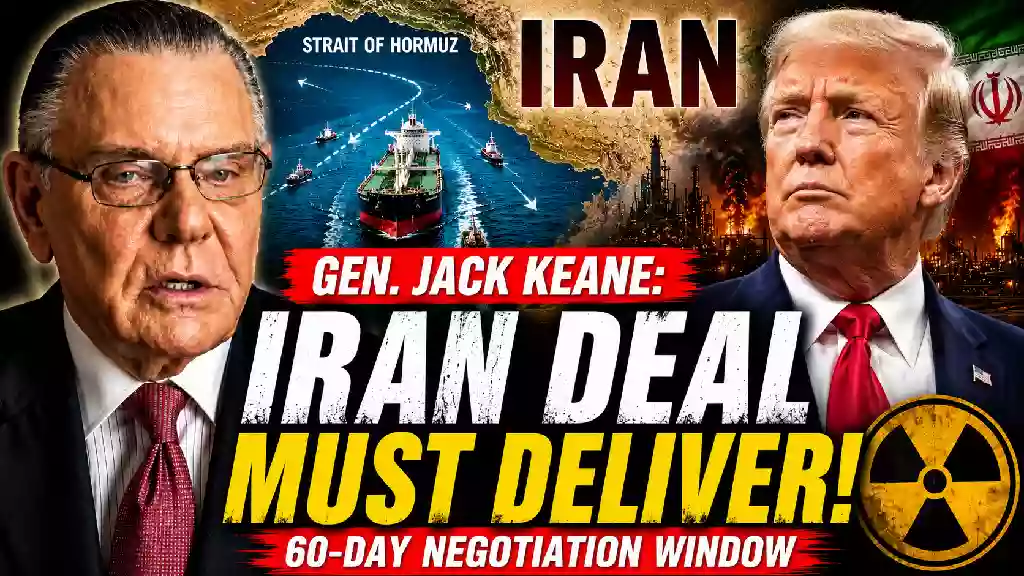
Keane Urges Tough Oversight as Trump Administration Advances New Iran Nuclear Framework
Former General Questions Pace of Sanctions Relief Amid High-Stakes Negotiations
The Trump administration’s latest diplomatic efforts with Iran are drawing both cautious optimism and renewed scrutiny as officials pursue a broader agreement aimed at preventing Tehran from developing nuclear weapons. While the White House has highlighted recent progress in negotiations, retired General Jack Keane is warning that any deal must be backed by strict verification measures and sustained pressure on the Iranian government.
President Donald Trump recently reiterated that Iran will never be permitted to acquire a nuclear weapon, emphasizing that compliance with any future agreement will be closely monitored. The administration has also signaled a willingness to provide limited economic incentives as negotiations continue, including a temporary easing of restrictions on Iranian oil sales.
The developments come as Vice President J.D. Vance and other senior administration officials work to secure international support for a proposed framework intended to guide talks over the next 60 days.
Diplomacy Backed by Pressure
Speaking about the ongoing negotiations, Keane described the administration’s strategy as a form of “coercive diplomacy” that combines negotiations with the threat of economic and military consequences if Iran fails to comply.
According to Keane, diplomacy alone may not be enough to achieve Washington’s objectives. He argued that the United States must maintain leverage throughout the negotiation process and remain prepared to respond if Tehran backtracks on its commitments.
The former Army vice chief of staff suggested that President Trump may need to intervene directly at key moments to clarify U.S. expectations and prevent misunderstandings as talks progress.
Supporters of the administration’s approach argue that maintaining pressure while offering limited incentives could create conditions for a long-term agreement. Critics, however, question whether Iran can be trusted to fully comply with any new arrangement.
Strait of Hormuz Remains Central to Discussions
One of the most significant issues surrounding the negotiations involves the Strait of Hormuz, a vital maritime corridor through which a substantial portion of the world’s oil supply passes each day.
Trump has repeatedly emphasized the importance of keeping the waterway open and accessible to international shipping. Recent reports indicate that commercial vessels continue to transit the strait despite periodic threats and tensions in the region.
Keane described the continued flow of shipping traffic as a positive sign but cautioned that the situation remains fragile. Any disruption to maritime trade through the Strait of Hormuz could have major consequences for global energy markets and international security.
The administration has indicated that ensuring freedom of navigation remains a top strategic priority as talks with Iran continue.
Debate Over Economic Concessions
One of the most debated aspects of the negotiations is the decision to offer Iran temporary economic relief while discussions are still underway.
The administration views limited sanctions relief as a tool to encourage cooperation and maintain momentum in negotiations. However, Keane expressed concern that financial benefits should not be provided without clear evidence that Iran is meeting its obligations.
He argued that economic concessions should be tied directly to measurable actions, particularly regarding nuclear transparency and regional security commitments.
Analysts remain divided on the issue. Some believe economic incentives are necessary to secure meaningful progress, while others warn that premature relief could reduce Washington’s leverage during negotiations.
Regional Security Concerns Persist
Beyond the nuclear issue, concerns remain about Iran’s influence across the Middle East and its relationships with regional armed groups.
Keane highlighted Hezbollah as a continuing security challenge, arguing that any lasting agreement should address broader regional stability concerns in addition to nuclear restrictions.
The retired general pointed to lessons learned from previous conflicts involving Israel and Iranian-backed groups, warning that security threats can grow when militant organizations are allowed to rebuild military capabilities unchecked.
Regional allies are closely watching the negotiations, hoping that any final agreement will contribute to greater stability while preventing future escalation.
Verification Seen as Key to Success
While welcoming reports that international nuclear inspectors could return to Iran, Keane stressed that verification will ultimately determine whether any agreement succeeds.
He argued that inspections must be comprehensive and transparent, with unrestricted access to facilities involved in nuclear activities. According to Keane, dismantling enrichment capabilities and ensuring full compliance should remain the central goals of the negotiation process.
The administration has likewise emphasized verification as a critical component of any final agreement, stating that future steps will depend on Iran’s willingness to meet specific requirements.
A Critical 60-Day Window
As negotiations move forward, both Washington and Tehran face growing pressure to demonstrate progress. Supporters believe diplomacy offers the best opportunity to reduce tensions and prevent nuclear proliferation, while skeptics remain wary of Iran’s intentions.
For now, the coming weeks could prove decisive. The success or failure of the current diplomatic effort may shape U.S.-Iran relations, regional security, and global energy markets for years to come.
With a 60-day negotiation framework now in place, attention is turning to whether both sides can transform preliminary commitments into a lasting agreement that addresses security concerns while avoiding renewed conflict.
#Iran #Trump #JackKeane #NuclearTalks #MiddleEast #Geopolitics #NationalSecurity #ForeignPolicy #StraitOfHormuz #IranDeal