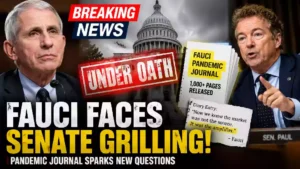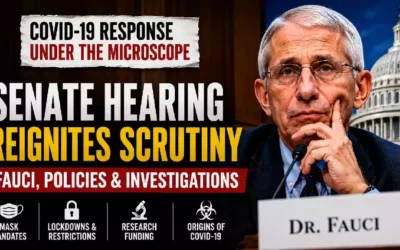

COVID-19 Hearing Revives Debate Over Fauci’s Pandemic Decisions and Federal Oversight
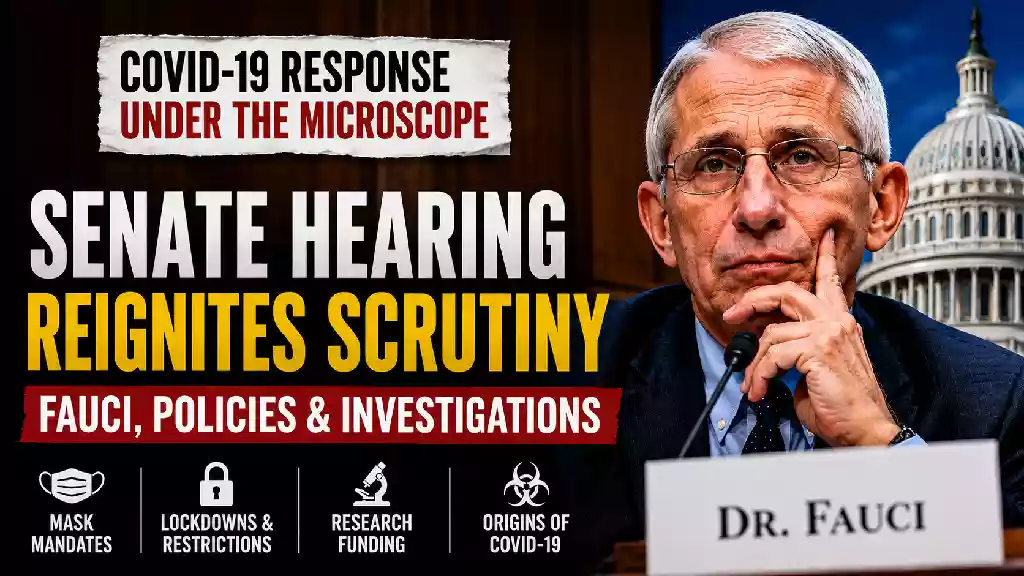
Former White House COVID-19 adviser Dr. Anthony Fauci is featured during a Senate hearing where lawmakers revisited pandemic-era policies, federal health guidance, and ongoing oversight of the U.S. government's response to COVID-19.
COVID-19 Hearing Revives Debate Over Fauci’s Pandemic Decisions and Federal Oversight
Fauci Faces Renewed Senate Scrutiny as Lawmakers Press for Answers on COVID-19 Decisions
A Senate hearing examining the federal government’s response to the COVID-19 pandemic renewed debate over the public health policies that shaped life across the United States, with former White House adviser Dr. Anthony Fauci once again facing criticism from Republican lawmakers. The hearing focused on pandemic-era guidance, questions surrounding COVID-19 research, and whether additional congressional oversight is needed to examine decisions made during the national emergency.
Republican senators argued that Americans continue to seek answers about lockdowns, mask recommendations, school closures, and the government’s handling of scientific guidance, while Democratic lawmakers questioned the value of revisiting issues they believe have already been extensively examined.
Senate Reviews Pandemic Response
Senator Ashley Moody said the hearing was intended to evaluate how federal officials developed COVID-19 policies and determine what lessons should be learned before the next public health crisis. Moody, who previously served as Florida’s attorney general, said state leaders spent much of the pandemic challenging federal mandates that they believed exceeded the government’s authority.
During questioning, lawmakers revisited several recommendations issued during the pandemic, including mask guidance, social distancing, lockdowns, and restrictions that affected schools, businesses, and places of worship. Moody argued those policies had significant long-term consequences and said Congress has a responsibility to examine whether the guidance was supported by the best available scientific evidence at the time.
Continued Questions About COVID-19 Research
The hearing also revisited ongoing congressional inquiries into research connected to the origins of COVID-19.
Moody discussed investigations into gain-of-function research and congressional efforts to review federal funding records involving scientific research linked to laboratories in China. She said lawmakers continue seeking documents that could provide additional insight into how research projects were approved and monitored.
The origins of COVID-19 remain under investigation and continue to be the subject of scientific and political debate, with multiple inquiries examining available evidence.
Oversight and Accountability Remain Central Issues
According to Moody, congressional oversight of pandemic decision-making should continue even years after the public health emergency ended.
She said investigators have obtained additional records through committee inquiries and noted that state attorneys general have previously expressed interest in reviewing pandemic-related actions. Moody also emphasized that testimony provided during congressional proceedings remains subject to legal standards governing statements made under oath.
Supporters of continued oversight argue that reviewing government decisions is essential to improving future emergency preparedness, while critics contend that repeated investigations risk further politicizing public health institutions.
Pandemic Policies and Political Divisions
The hearing also highlighted the political divisions that emerged during the pandemic.
Lawmakers referenced comments from former White House Coronavirus Response Coordinator Dr. Deborah Birx, who acknowledged that COVID-19 responses became highly politicized during the presidential election year. According to testimony discussed during the hearing, Birx said some states imposed stricter restrictions during that period and emphasized the need to learn from those experiences before confronting another national health emergency.
Moody argued those comments reflected broader concerns that politics influenced some pandemic decisions, while maintaining that states should retain flexibility when responding to future public health crises.
Florida’s Response Remains a Point of Contrast
Florida’s handling of the pandemic was repeatedly cited during the hearing as lawmakers compared differing state responses.
Moody defended Florida’s efforts to challenge federal guidance on lockdowns and business restrictions, saying state officials sought to balance public health concerns with constitutional freedoms and economic stability. She also referenced diary entries discussed during the hearing in which Fauci reportedly criticized Florida Governor Ron DeSantis as state officials questioned federal recommendations.
The state’s response has remained a source of political debate, with supporters pointing to Florida’s approach as an example of limited government intervention, while critics have argued stronger mitigation measures were appropriate during the height of the pandemic.
Debate Over COVID-19 Legacy Continues
The hearing demonstrated that questions surrounding the federal response to COVID-19 continue to shape political debate in Washington.
Republican lawmakers said further investigations are necessary to improve transparency surrounding pandemic policies, scientific guidance, and research funding. Democratic lawmakers, meanwhile, argued that repeatedly revisiting the pandemic could undermine confidence in public health institutions and distract from future preparedness efforts.
As Congress continues examining the nation’s response to COVID-19, lawmakers remain divided over how the pandemic should be evaluated. Even so, both supporters and critics of the government’s actions agree that understanding the successes and shortcomings of the response will be important in preparing for future public health emergencies.
#AnthonyFauci #COVID19 #SenateHearing #COVIDResponse #AshleyMoody #Congress #PublicHealth #Coronavirus #Pandemic #WuhanLab